After Vaginal Delivery In The Hospital Medlineplus Medical
For this reason, your labor and delivery team will closely monitor you and your baby after they give you pitocin. 2. narcotics. also called opioids, these pain . See more results. medication after delivery baby In the meantime, wear sanitary pads and do kegel exercises to help tone your pelvic floor muscles. to do kegels, imagine you are sitting on a marble and tighten your pelvic muscles as if you're lifting the marble. try it for three seconds at a time, then relax for a count of three. work up to doing the exercise 10 to 15 times in a row, at least three times a day. a few days after birth, your breasts might become full, firm and tender (engorgement). frequent breast-feeding is recommended to avoid or minimize engorgement. if your breasts including the dark circles of skin (areolae) around the nipples are engorged, your baby might have difficulty latching. to help your baby latch, you might manually express or use a breast pump to express a small amount of breast milk before feeding your baby. to ease breast discomfort, apply warm washcloths or take a warm shower before breast-feeding or expressing, which might make milk removal easier. between feedings, place cold washcloths on your breasts. over-the-counter pain relievers might help, too. Postpartum care: what to expect after a vaginal birth. your newborn might be your priority — but postpartum care counts, too. from soreness to discharge, what to .
Childbirth Pain Relief Options Better Health Channel
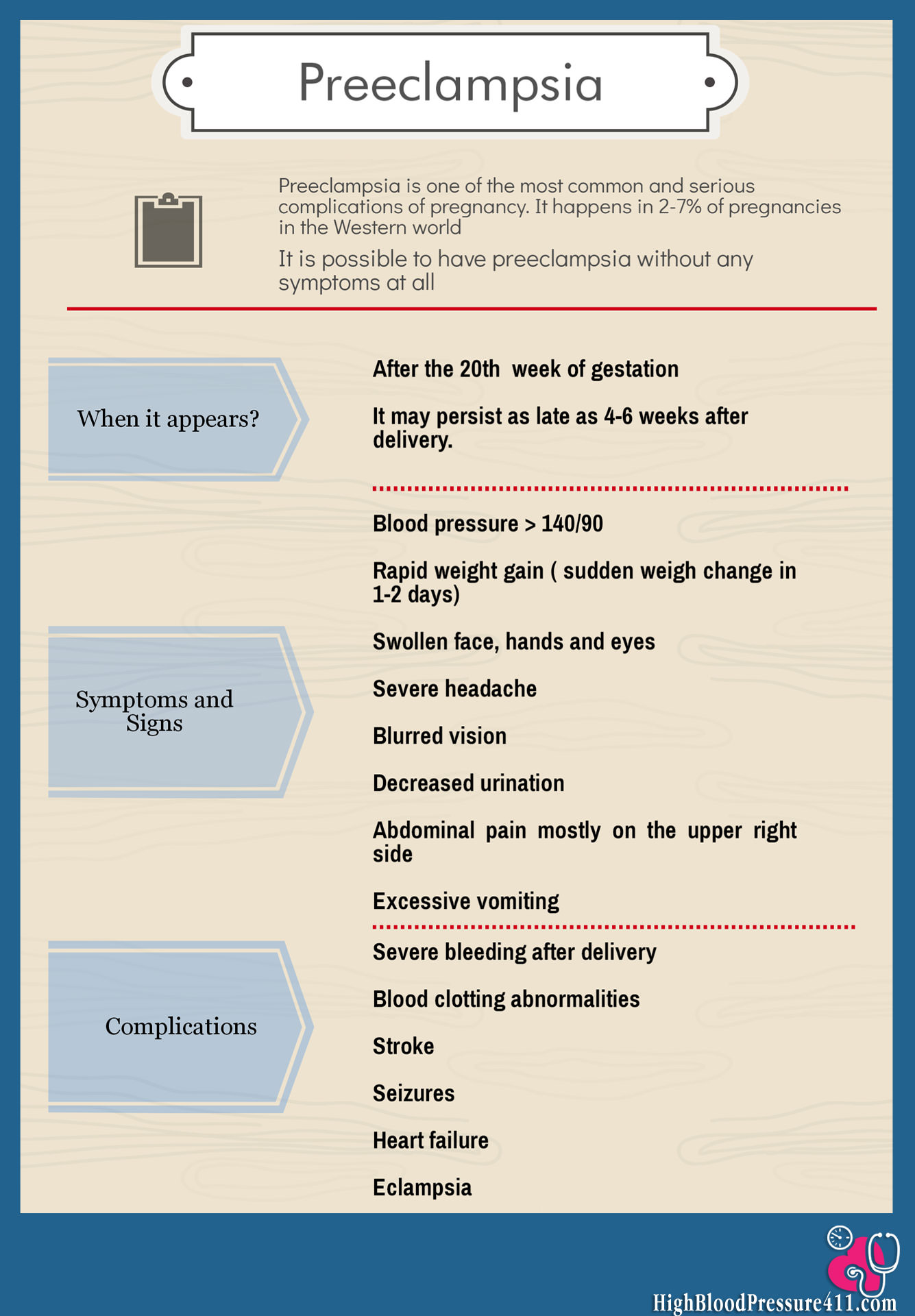
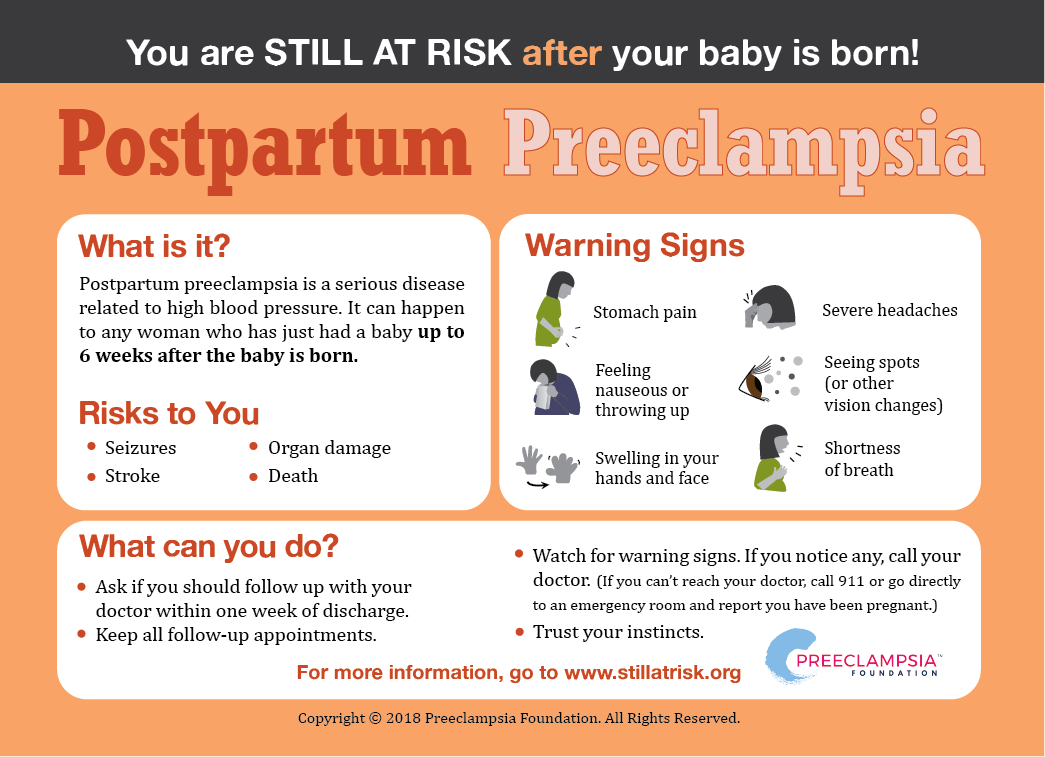
Preeclampsia after birth: symptoms, treatment, and more.
Hi! i was about at the same kind of situation therefore i also had preeclampsia ever since the 21st week of my pregnancy but i was also dealing with high blood pressure for the next 5 or 6 weeks after delivery though usually delivery is the cure for preeclampsia but it is just that in some cases it needs more time to fix this problem with high blood pressure. Sep 24, 2018 it is possible to create a birth plan that ensures little or no pain — while you 7 things to know about painkillers during and after childbirth. Tell your health care provider if you're experiencing severe, persistent or increasing pain, which could be a sign of infection.
Vaginal Delivery Recovery How To Avoid Postpartum Issues
Once the childbirth process begins, the pregnant mother begins experiencing painful contractions that grow in intensity. medications that stop the pain, however, cannot be used right away. the use of pain medications or anesthesia. pain medications have been used in childbirth for centuries. at one time even alcohol and opium were used. Ilotycin is an antibiotic ointment is routinely put in the eyes of all newborns to prevent neonatal conjunctivitis (pink eye). while chlamydia and gonorrhea are the most serious pathogens that are treated with ilotycin, this treatment also prevents less severe infection with other common bacteria such as e. coli.
May 04, 2021 · to relieve pain or discomfort: ask your nurses to apply ice packs right after you give birth. using ice packs in the first 24 hours after birth decreases the swelling and helps with take warm baths, but wait until 24 hours after you have given birth. also, use clean linens and towels and make. Jul 22, 2015 medication use before, during, and after pregnancy among women with eating disorders: a study from the norwegian mother and child .
To relieve pain or discomfort: ask your nurses to apply ice packs right after you give birth. using ice packs in the first 24 hours after birth decreases the swelling and helps with take warm baths, but wait until 24 hours after you have given birth. also, use clean linens and towels and make. Your doctor will prescribe medication to treat postpartum preeclampsia. depending on your specific case, these medications may include: medication to lower blood pressure. Stretch marks won't disappear after delivery, but eventually they'll fade from red to silver. expect any skin that darkened during pregnancy such as dark patches on your face (chloasma) to slowly fade as well. Oct 10, 2019 · after birth, your vagina will likely tear as the baby’s head squeezes through. medication after delivery baby in fact, 95 percent of first-time moms will experience perineal tearing. you may need stitches, and depending on the.
More medication after delivery baby images. After delivery, you'll begin to shed the superficial mucous membrane that lined your uterus during pregnancy. you'll have vaginal discharge consisting of this membrane and blood (lochia) for weeks. this discharge will be red and heavy for the first few days. then it will taper, become increasingly watery and change from pinkish brown to yellowish white. contact your health care provider if you have heavy vaginal bleeding soaking a pad in less than an hour especially if it's accompanied by pelvic pain, fever or uterine tenderness. you might feel occasional contractions, sometimes called afterpains, during the first few days after delivery. these contractions which often resemble menstrual cramps help prevent excessive bleeding by compressing the blood vessels in the uterus. afterpains are common during breast-feeding, due to the release of oxytocin. your health care provider might recommend an over-the-counter pain reliever. if you notice pain during bowel movements and feel swelling near your anus, you might have hemorrhoids swollen veins in the anus or lower rectum. to ease discomfort while the hemorrhoids heal: childbirth triggers a jumble of powerful emotions. many new moms experience a period of feeling down or anxious, sometimes called the baby blues. symptoms include mood swings, crying spells, anxiety and difficulty sleeping. the baby blues typically subside within two weeks. in the meantime, take good care of yourself. share your feelings, and ask your partner, loved ones or friends for help. if you experience severe mood swings, loss of appetite, overwhelming fatigue and lack of joy in life shortly after childbirth, you might have postpartum depression. contact your health care provider if you think medication after delivery baby you might be depressed, especially if your symptoms don't fade on their own, you have trouble caring for your baby or completing daily tasks, or you have thoughts of harming yourself or your baby.
Pregnancy, labor and a vaginal delivery can stretch or injure your pelvic floor muscles, which support the uterus, bladder, small intestine and rectum. this might cause you to leak a few drops of urine while sneezing, laughing or coughing (stress incontinence). these problems usually improve within weeks but might persist long term. Dec 4, 2020 one of the best things you can do during your pregnancy is to stay active during labor, these medications can lessen or numb pain below your waist. because you may still be able to walk a short distance after you g.

If you find yourself avoiding bowel movements out of fear of hurting your perineum or aggravating the pain of hemorrhoids or your episiotomy wound, take steps to keep your stools soft and regular. eat foods high in fiber including fruits, vegetables and whole grains and drink plenty of water. ask your health care provider about a stool softener, if needed. if you're not breast-feeding, wear a supportive bra, such as a sports bra. don't pump your breasts or express the milk, which will cause your breasts to produce more milk. Mar 21, 2018 obs should set expectations about narcotic pain relief as soon as the patient medication after delivery baby arrives in the ob emergency department. they can also make sure .
See full list on mayoclinic. org. About labor and delivery labor is a group of steps the uterus (womb) goes through to deliver (push out) the baby. augmentation of labour refers to the use of techniques to speed up the process of labour.
Preeclampsia after birth: symptoms, treatment, and more.
0 Response to "Medication After Delivery Baby"
Posting Komentar